

The era of the simplistic, single-page "lead magnet to cold pitch" sales funnel is effectively over. In 2026, buyer behavior is fragmented across multiple touchpoints, privacy updates have restricted top-of-funnel tracking, and customers demand immediate, tailored value before parting with their contact information.
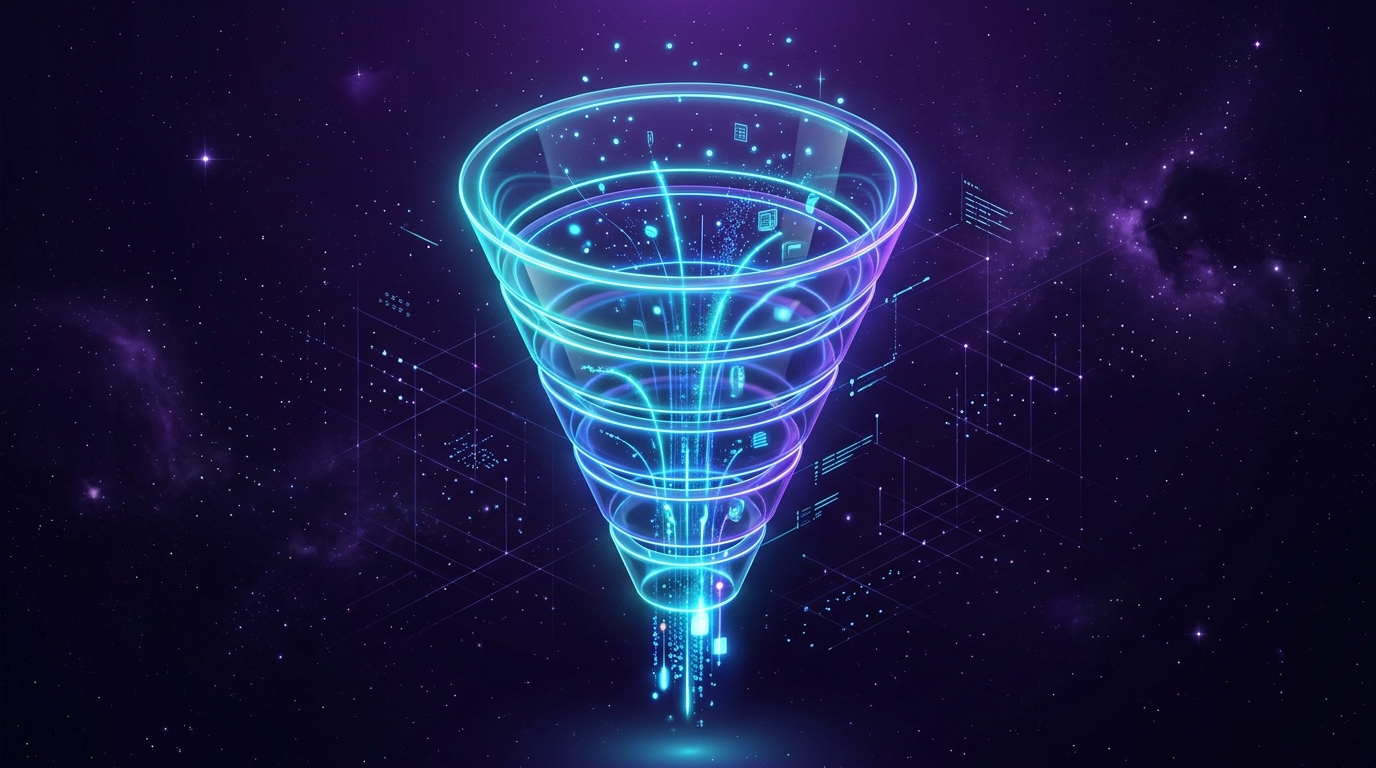
To build a high-converting sales funnel today, businesses must move away from rigid linear models and deploy an intelligent, multi-stage architecture engineered around intent, speed, and trust.
1. Top-of-Funnel (TOFU): High-Intent Value Capture
Traditional funnels relied on generic 50-page PDFs that users downloaded and never opened. Modern high-converting architectures replace static lead magnets with interactive, immediate-gratification assets:
- Interactive Audits & Calculators: Interactive tools that assess a prospect's current bottlenecks (e.g., website load cost calculators or SEO scorecards) provide instant personalized value.
- Micro-Commitments: Rather than confronting first-time visitors with a 10-field form, top-performing funnels utilize multi-step progressive profiling. Asking low-friction questions first reduces cognitive fatigue and increases form completions by up to 42%.
- Zero-Latency Landing Architecture: If your landing page takes longer than 1.5 seconds to paint on mobile, more than half your paid acquisition budget is wasted before the value proposition is even read.
2. Middle-of-Funnel (MOFU): Behavioral Nurturing Streams
Capturing an email or phone number is only the first handshake. The middle of the funnel is where 80% of revenue is either won or abandoned.
Rather than blasting a generic newsletter every Tuesday, modern pipelines implement behavior-triggered nurture sequences:
- Context-Aware Follow-ups: If a prospect engages with e-commerce performance content, their automated nurture stream should focus exclusively on checkout speed and cart recovery case studies—not generic company updates.
- De-risking Content: Address specific purchase anxieties through video walkthroughs, transparent pricing breakdowns, and authentic peer reviews before the sales call ever happens.
- Multi-Channel Synchronicity: Align automated email touches with discreet retargeting messages and SMS reminders for scheduled consultations.
3. Bottom-of-Funnel (BOFU): Removing Friction at the Point of Decision
When a prospect reaches the purchasing threshold, any unexpected hurdle will trigger abandonment. High-converting checkout and booking pages prioritize three non-negotiables:
- Frictionless Scheduling & Checkout: Embedded one-click calendar booking or express payment wallets (Apple Pay, Google Pay) eliminate form-filling friction.
- Active Social Proof Above the Fold: Display verified client outcomes and star ratings directly alongside the final call-to-action button, giving prospective clients immediate reassurance at the exact moment of commitment.
- Clear Next Steps: Explicitly tell the buyer what happens after they click: "We will review your project details and reach out within 2 business hours with a custom roadmap."
4. Post-Purchase: The Overlooked Flywheel
The true ROI of a high-converting funnel is realized after the initial transaction. Systematized onboarding workflows, immediate post-purchase check-ins, and proactive referral prompts turn first-time buyers into long-term brand advocates, significantly driving down blended customer acquisition costs (CAC).
Building an automated funnel is not about accumulating disconnected marketing plugins—it requires clean, purpose-built architecture that connects your website traffic directly into revenue.