



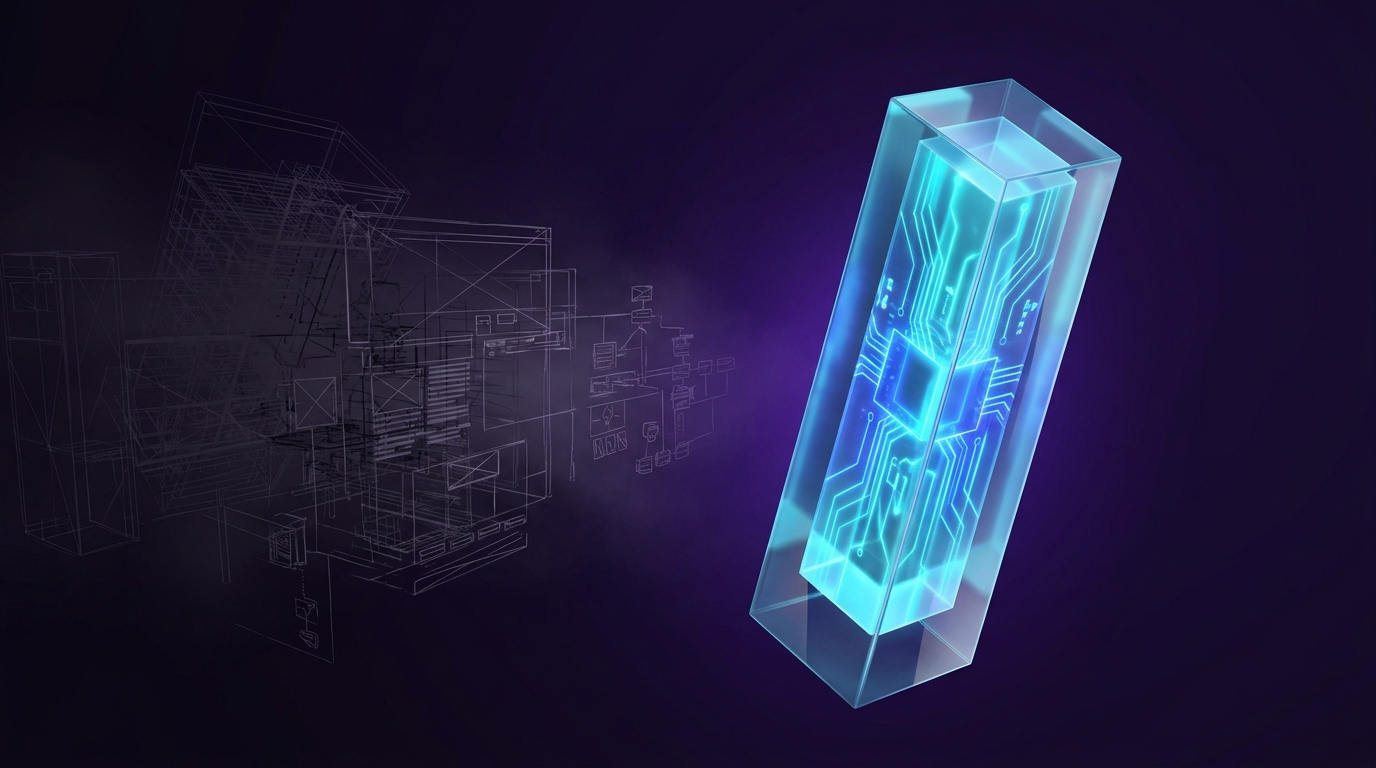
For nearly two decades, traditional content management systems (CMS) and visual drag-and-drop page builders were the default choice for business websites. They promised visual ease of use and instant plugin installations.
However, as web standards evolved and search engines began strictly grading performance and security, the hidden cost of this convenience surfaced: massive code bloat, fragile dependencies, frequent security vulnerabilities, and sluggish page speeds.
Today, forward-thinking businesses are migrating to clean, pre-compiled static web architecture.
The Anatomy of CMS Bloat
When a user visits a typical page-builder website, a cascade of hidden operations occurs:
- Server-Side Execution: The web server must spin up a PHP interpreter, load dozens of active plugins, and establish a database connection.
- Database Queries: The CMS executes dozens—sometimes hundreds—of SQL queries simply to assemble a single web page.
- Asset Waterfall: The page builder loads 40+ independent CSS stylesheets, 30+ JavaScript libraries (often duplicate versions of jQuery or icon packs), and hundreds of unused utility classes.
The result is a heavy 6 MB page weight and a mobile Largest Contentful Paint (LCP) averaging between 3.5 and 5.0 seconds.
How Clean Static Architecture Changes the Game
Static architecture eliminates the server-side bottlenecks entirely by separating content authoring from delivery:
- Instant Global Delivery: Because static HTML, CSS, and images are pre-rendered at build time, they are deployed directly to global Content Delivery Networks (CDNs) right next to your visitors. Pages load in under 200 milliseconds worldwide.
- Immunity to SQL & Plugin Exploits: With no live database, server runtime, or PHP scripts running in production, the attack surface for common web vulnerabilities (SQL injection, malicious plugin backdoors) drops to zero.
- Zero Maintenance Overhead: Say goodbye to weekly plugin updates breaking your layout, incompatible PHP upgrades, and unexpected server crashes during traffic spikes.
- Flawless Core Web Vitals: Lean, hand-crafted static markup reliably scores 95+ on Google PageSpeed Insights, providing a distinct organic ranking advantage over bloated competitors.
The Modern Workflow: Markdown Simplicity
Moving away from visual page builders does not mean giving up ease of publishing. With modern static setups, content creators write cleanly in standard Markdown files with structured metadata (title, tags, dates, callouts). Build pipelines automatically compile these files into beautiful, optimized web pages in seconds.
By investing in clean code and modern static infrastructure, businesses gain a resilient, lightning-fast foundation built to outrank competitors and convert traffic reliably for years to come.